cohort after dark 01 · 17 Feb 2026 · 34 min
Night mayor. Chemicals VP. Same classroom. Raheem Manning and Vince Patram
About this episode
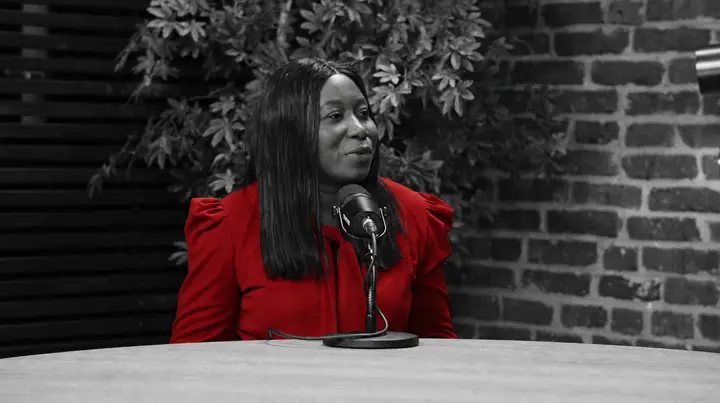
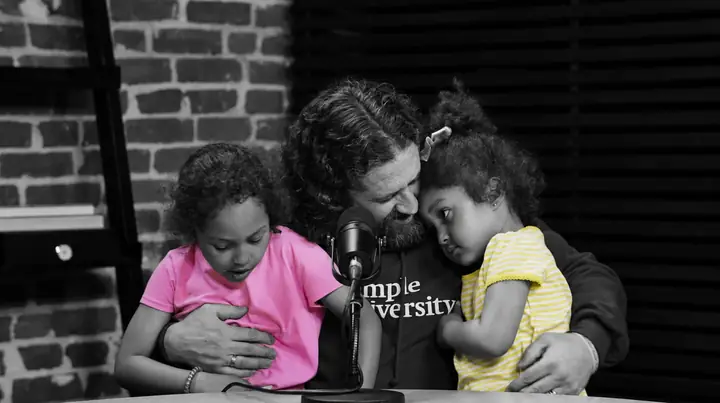
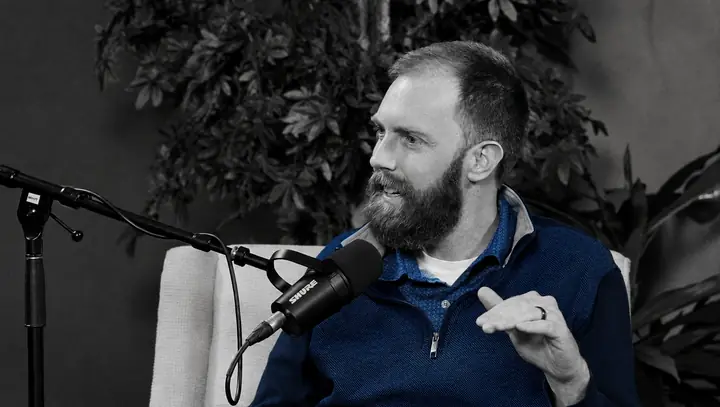
The first Cohort After Dark: two leaders you would never expect to share a classroom. Raheem Manning is Senior Director of the Nighttime Economy for the City of Philadelphia, a role the city created in 2014. Vince Patram is Global Vice President of Marketing for Lubricant Additives at LANXESS.
Unscripted and after class: why they chose Fox, why a DBA rather than a PhD (it’s practical, and it builds on the career you already have), chemistry and AI, a reading list that ran to roughly 700 pages, and a rapid-fire round that gets personal. No script. No prep.
Key moments
- Why Fox?
- Chemistry, formulations and AI
- A nighttime mayor, since 2014
- Creating your own role
- Why a DBA instead of a PhD
- 700 pages of reading
- The rapid-fire round
Full transcript
auto-generated from the recording and lightly corrected for names · select a time to play from there
Welcome to Cohort After Dark, a new thing when we're just going to have a couple of my classmates talk about the DBA program, talk about business, talk
about what they do. I don't know. We'll figure it out. There's no scripts. We've got Raheem Manning and Vince Patrum, and you're going to hear what they got to
say. What's up everybody? I'm Raheem Manning. I serve as a senior director for the nighttime economy for the city of Philadelphia and a firstear Temple Fox School of Business DBA student.
Hello everyone. I'm Vince Patram. I work in marketing, global marketing for a chemical company. Uh, first year DBA student as well at Temple. Uh, and hello.
I think we can kick it off. Vince, how you like Philly? I like it, man.
I heard you spent a lot of time here in your past. Yeah. Yeah. What was her name again? I told you about that, right?
Yeah. I know. I used to I used to um come out here a lot when I was a kid and then in college and everything like that. So, spent a lot of time out in Philly.
Is that one of the reasons you chose Fox?
I like Yeah, exactly. Yeah. So, I hear a lot of good things about about Fox and so I said, "All right, you know what?
I'm going to apply to the school and see what it's about." Did you apply to any other schools?
I applied to like three or four. So, I actually applied to Johnson Wales. What else did I apply to? I think I applied
to um Ruckers, applied to Drexel, and Penn State just started up a program. So, I applied there too, right?
So, then I So, then I started looking at everything and I said, "You know what? I don't want to do online only. So, I just decided to, you know, come come to Fox
because I needed to have the in cohort. Yeah. In person. Yeah.
I can't do it online like it doesn't hit the same.
Yeah. No, I mean, and and that was coming back from from doing a masters like 20 years ago or something like that. Your masters 20 years ago.
Yeah. And that's so that was a long time ago, right? So, back then there was no the internet. You had to do everything. You had to be there in person. So, when I was looking
for this experience, I was like, you know what? I want to do it in person.
Otherwise, I did my masters I started my mast's program 10 years ago. Yeah. Because I was finished in 2019. Yeah.
Yeah. Yeah. Yeah.
What did you do? You do MBA or Yeah. NBA. Yeah. Thomas Jefferson. All right. Yeah. What was your masters in?
Uh it was MBA and then um I did it in uh supply chain and and finance. Yeah. M was marketing and management.
Yeah. Yeah.
So, no I did it it was it was records and it was like 20some years ago, right?
So, when I was looking at it was a different time, right? So now I was looking at all right young coming out of college. So this is so I ended up 2003
finishing and I was thinking to myself you know now that things are changing right and I'm in my in the middle part of my career. So I was saying now AI is
out there and all these things are coming out like I have another 15 20 years maybe even longer to work. So how do you compete in the marketplace against these younger kids that are
coming out or young you know and with all these newer technologies I said it's time to go back and reinvest in myself.
So, how is it going back to school after such a long break? It's tough, man.
It's tough because then you got a job and then you have a lot of things to do on your table, on your plate. You have commitments at work, right? And and then
you also have to do this this workload and you know, we all know what we signed up for because you have to be here in person, you have
to do the workload, but you also have these commitments at work. So, we have to car you just have to find a balance for carving out the time, right? So, Yeah. Yeah.
What about yourself? What's uh how you how you finding it after first semester?
Uh I mean I like it. I think I think um it's like one of those things when you first think about going back to get the the degree like when I first thought
about like I knew I wanted to get a doctorate degree. Uh I was like okay how how is this going to play out? I was looking at DBA programs like three years
ago and I looked at Drexel particularly at their program and I realized like if I would have started when I looked at it I'd be done now but it's okay. So I was like, "All
right, I finally pulled the trigger. I was like, "Let's let's make it happen." I applied to three programs cuz I knew I wanted to stay local in Philly. So I didn't cast anything outside of Philly.
Um then I applied to St. Joe's, to Draxu, and to Temple. And I got into all of them. But man, Fox was just amazing.
Like the touch points, the customer service, like they just were on it. And I, you know, I teach at Drexel adjunct there. So I was like knowing pretty much I was like going to go to Drexel. Like
that was my focus. And uh you know JXO JXO was great, Labau's great and all, but I think the touch points at Temple was really really awesome. Lynn was
great like in the interview and like in her followup was really awesome. So I pulled the trigger. I was like, you know, I'm going to go to Temple and Temple's like Philly's University. Like
you know, people really like call Temple like home when you're in Philly. And so I was like, you know, why not be TU Main? And so I'm
here. It's it's been good. Um I think I've managed better than I thought I would be. You know, I think uh the workload's heavy. Uh but I love the
cohort aspect to it. So if I'm like having a question about a like a like an assignment or I think it's batshit crazy. Like I I put in a group chat like
how I think it's this crazy like 40 pages and they're like everybody's like, "Yeah, you're not crazy." So I do like the support there uh with the core.
And I think we have a really awesome cohort. It's really diverse. It's really rich and where people are from, the backgrounds, what everybody brings to us. So I'm super excited.
Yeah, I like it too. I think that, you know, we have a lot of different folks there and I thought it was going to be uh a little pretentious coming in,
right, when you're doing it and then and so like you come out, you come in the first day, right, and you're kind of checking everybody out in the program, sizing each other, you're sizing everybody up like everybody.
Yeah. Exactly. Right. So, so then well, so I come in and then I was like, then after you get over that hurdle or you get over that first stage, j iters and
then you go out and you go out to the mixers and things like that. Everyone's in the same boat, too. you know, everyone's working these crazy jobs and have families and have this or that and
worried about, you know, what are they going to do with their futures, right?
And everybody's has their same, you know, idiosyncrasies. So, it was just to get everyone together. It's kind of it was definitely helped. Yeah.
Helped a bit then, let's say, doing it online, you're never going to have that interaction.
Yeah. I wouldn't I wouldn't have signed up for an online program. Like, I just I don't learn that way, you know? I'm going to lie. like I can go, you know, it's the it's this
interaction. I think one thing Fox does which I enjoy is that the interaction between the cohort is just as important as the work you're learning. So like
they facilitate that, you know, the socials or even even the way we're like uh put up in groups in our classes. I think that's really good. But I also
think it the you know there's a group of us and I think most of us are in this group. There's some outliers, but everybody's intentional about, you know,
reaching out to each other and connecting and going out, whether it's grabbing dinner afterwards or, you know, me giving you guys the most amazing tour of Philly you ever had in your life, you
know, keeping you out till the sun comes up a little bit. But, you know, things like that, uh, I think is really great.
And when you're in programs like this, yes, the knowledge base, yeah, it's, you know, getting to your dissertation and and understanding how to to speak in
academia, but it's the relationships, I think, that are going to be most fruitful from a program like this. Yeah, I think what I found a lot interesting
is like when I'm working I'm working in the chemical industry, right? And so a lot of it is looking at, you know, analyzing data or an analyzing market
trends and all of these good things, right? And so I never had an opportunity really to to really say how do why are
we doing this, right? And I shouldn't say had not had an opportunity, but I just didn't dig you dive deeper into it,
right? And so now I'm starting to ask these questions in research, right, that I wouldn't have typically asked in terms of setting up a proof, setting up a
construct, setting up a hypothesis, you know, testing it, seeing how how well this case could be, how well the scenario could be, and I'm applying it
into my So what you're saying is that you are actively using what we're learning right away in your industry.
Yeah, I think yeah, I think so. We we're doing a couple things in marketing. I'm trying now to to apply it. Uh my research is focusing on artificial
intelligence, trying to use it into chemical industry, looking at trying to advance molecular research and how we can do that using AI where you can where
we do a lot of blending and formulations. Can you find something that makes a better formulation, right?
And that that works better for you than having to do trial and error in the lab, right? And so that's kind of what I'm working on. But then you have to look at is there verifiability?
Is there trust in the system? you know, are we there yet with certain models, right? Is are the systems intuitive
enough to really do complex math when it looks at things like that? And that's kind of what my focus is on.
What about you? What do you what do you I think you tapped on. I was like, let's let's talk about the GPT in the room.
I think so many people in our program like their research question is somehow AI based, right? And for me, you know, mine is again about nighttime economy
more socioeconomic policym and and and economies of scale. But I feel like when we're looking at a lot of the other cohort members and even your speaking, everybody's talking about AI right now.
And is that like is that a matter of the time? Is that a matter of being proactive in it or is it just uh like how do I put like the easy thing to go
to like okay you know when we're looking again I know that we're all early in our research questions and everybody says what we're thinking about you know researching now won't be what we're
we'll be in a year or so from now but I just feel like everybody like maybe I would say arbitrarily 75% of the program has AI somewhere in their research
question and I'm on the other side I don't like I'm not looking at how AI helps shape city government tonight but what is your but what's your what's your
not you're not you're one of the ones that are not in AI no I'm not in AI I'm not looking at it yet. I'm looking at nighttime economy governance. That's right.
And how policym helps influence uh you know the city's nighttime or 24-hour economies. Right. But that gets into your work, right?
That's exactly what I do. Yeah.
Yeah. So in the in the semester, right, they gave us a whole list now. And that was another reason why I came to Temple was because they had the one of the
oldest DBA programs, right? And so they probably adopted to this.
Exactly. So I figured they had all their uh figured out, right? when you look at it like they had to, you know, a lot of these programs are just one one year, two years in, right?
Then you start going there and then, you know, you don't really have a research construct. They're not teaching you a lot of things. You may miss out on a lot of these because they're still um
experimenting with the program, so to speak, right? But they one of the things they did when we were that I liked in the first semester, they actually gave
you access to all of the all the previous dissertations dissertations. So I went so to go back to your question on the AI, right? Like
it's I just think it's a trend now for this class because I looked at all of those other 10 classes and there was only one specific research topic on AI
and so when I look at our class now I had 20 more.
Exactly. But then I don't know what you know it'll be interesting to see when we get our um when we match with the mentors right because you know there's that issue between
quantitative and qualitative research right and I think the folks just had Lynn on here talking about qualitative research which we'll be taking our class
maybe at some point some of these folks start going into other areas right in terms of because I'm sure a lot of
people had AI questions or AI narratives or something like that between the last semester or the last cohorts Right. But
we said the AI part is like it's easy to like how does my career feel affected AI? Right. And then the program will shift you towards a more definitive
kind of niche question that maybe stays away from the AI part. I mean there there is something to be said that you know AI now versus I guess the
last dissertations would have started three years ago like AI is more prevalent now than it would have been then and and we are seeing the shift in a lot of our fields. in government not
so much. It's more so about how to regulate AI. Um we're not seeing like AI kind of infect our day-to-day as much
any anymore. But uh I think like you know you in chemical engineering or uh other people in other fields you know they're seeing AI being a thing or even
um like Phil you know with mining he's like you know AI is coming in and affecting like a mining industry. So I I could see the relevance there but I was
like this is just an easy thing that everybody just looks at.
Yeah. I mean, you know, I think I I think too a lot of it too comes down to specificity, right? Because a lot of
folks they start doing it and then you look at scope creep in your analysis and so then you end up getting all of these um different parallels into your
research and then what this one small project that you had end up turning out into a whole, you know, a whole different construct ideas that are
coming out and now you're not just dealing with one topic, you're dealing with 10 or 11 that you have to address.
So I think that that that sometimes when people are looking at it it's more complicated than that and then they say okay well now I'm going to have to pair it down and get out of AI or do something like that.
Excellent. I think the the other thing even looking at like the you're bringing up the dissertation list of all the previous students or even looking at the research I think I have a hard time
because my subject is so new you know nighttime economy and nighttime governance it's like a new way of governing there's not a ton of research
there even like when we had um uh one of the discussion boards assignments we had to like find articles that are in your
your field or similar to your research question and like go broad I had to go extremely broad I like there was nothing that focused on nighttime economies are
24-hour economies. And I think, you know, I know that because professionally, I'm the first nighttime, you know, economy director in the city or nighttime mayor. But the concept of a
nighttime mayor, it just started in 2014. And it started more from a practical point of view. So even as in my my career, most of the the data that
I'm looking at or the research that I'm looking at, it's all peer- driven. It's all my counterparts in another city do reports the same way I do reports on
Philly. But there's not much academia there that I can look at. So I find that kind of interesting where I think some other fields people have the issue of
like there's so much research how do you differentiate your question right so but in your your work too this
this doctor will help because you're probably looking at all types of demographic data social data everything like that looking at you know the
correlations between let's say different age groups going to different parts of the city and you know where the influx of money is coming into and going out of
right so um I think it's pretty interesting like how did you get into your line of work.
Oh, that's quite quite quite interesting. Um, so I kind of created the position that I have now. Uh, I
served uh on the as a co-chair for the art and culture task force, which is a pandemic era task force that city council put together when everybody was
sheltered in place and shut down about how to reopen our social economy. So, you know, our night life, our arts, our culture, how to support that. Uh, and in
that, you know, task force and cheering and doing research and taking a an inventory of where Philly was compared to other cities, I heard about this
concept of a nighttime mayor. I was like, "Okay, well, what's that and what do they do?" So, I reached out, pardon me. I reached out and started talking to some of the people who hold this role.
Now, the concept of a nighttime mayor started in 2014 in Amsterdam. Merrick Milan, he was the first and then it spread to like Berlin and other cities in Europe and then had just started
making its way to the US. I talked about them and they were the, you know, the kind of shepherds of of of the social
economy for their city. Like they influenced policy. They supported businesses, you know, people and talked about this concept of a 24-hour city
where, you know, has a plan for what it looks like, it feels like at 2 a.m. and 2 p.m. I was like, "Okay, we need that here in Philly." And so I wrote a proposal and uh submitted that proposal
to city council. They voted and legislated it in. The mayor signed off on it, and then I became the first person to the role in the city of Philadelphia. So I kind of made that lane for me in the city.
But that's good, man, because that's that you created your own work, you know? That's it. You you you found like in the business world, you had you found
a job to be done. You created it and Right. Yeah.
and that was it. And then you found the problem solve as a solution.
Yeah. Exactly. Exactly. You you know, do you know any other DBAs like previous to this or how did you how did you hear but
you just So I I knew I wanted to get a terminal degree. like that that's been a goal of mine and always and I wasn't sure where
that degree would be and I was looking at like pen and I was like a lot of the work that I do would fall into like sociology because you're looking at you
know social economic standpoint policym um but I you know I had the NBA which I I love and I was like well you know I'm looking at more from a business and
economic development point of view and so I was just kind of doing my research and came across the DBA as a program and again the first one I ever heard of was
Drexel's program and I went to info session like three years ago I talked to uh the director of the program over there. I was like, "Okay, this is this is where I think I want to go." And, you
know, three years later, I pulled the trigger and I'm here at Fox. So, so you bring But you you uh bring up an interesting point. You use the word terminal degree, right? So, when I
started looking at it at programs, right?
There's not many DBA programs. It's popular in in Europe, right? But not not so much in the US. I think Temples program is what, like 10 years old or
something like that, right? And there's other programs that are one or two years old. So, I think started with Tipple they like this right so when I looked at
terminal degrees I was like okay uh they considered MBAs a terminal degree where that that so I was like oh I was looking
it up on the definitions chat DP I was like oh an MBA is a terminal degree right and so so um but now with the
influx of these DBAs they still say MBA oh so NBA would have been a terminal degree in a business correct sense gotcha right
like a JD is a terminal degree in a law sense got right but now I still say if there's a DBA then you can't really say that the NBA is a term it would be because it's a
step higher right um I looked at I looked at the uh DBA because it's kind it's important for me in in my business because I didn't want to do a PhD
traditionally because um I have like almost 30 years of work experience right and I'm not going to
research I need to apply it to to business world right cases and models and things like that and how to make profitability how to make how to make
businesses successful etc. Right? And so, um, I thought that that would be a good good place to start when I started looking at the the DBAs,
right? Secondly, I said, "Okay, well, you know what? Um, now that I'm doing it, like, what can I do afterwards?" Right? And, um, I think a lot of people
now that they're living longer, right? I was just reading one of these studies, um, you know, the people living a lot longer till past in the mid70s, right?
And, um, you find a lot of people are still working at that time, right? And now I'm looking at myself, right?
Try to be 75 at Oregon, right? Exactly. Well, like if I have to work, then I want to do something I like, right? So why not like use use,
you know, whatever I learned, right? So I think I'm thinking at some point maybe go out, do some teaching, do something like that adjunct. Um, you know, also,
you know, maybe get involved, you know, from in my community looking at things like that. And I think, um, the DBA will
help. And that's why I decided to do it now versus waiting um any longer to do it. I took a year I took a year off to
think about it when I was doing it and then I decided to come back and and look at it.
No, I think you make a great point like teaching is definitely something I want to go to career like you know like when I'm done wherever my career takes me. At the end day I want like sit teach next
generation uh you know adjunk down and so I was looking at that. So I was looking at the PhD and the DBA and I love the DBA because it's practical. It takes in the fact that you are in the
field and you have these years of experience. You know, I'm an entrepreneur by trade even before working for the city. You know, I've been a business professional my entire
career. And so, having that ability to apply that, which I thought the NBA was really great because I was running my my company full-time. I was going to NBA
classes and applying those things right to my company to build a stronger and better company. And I like the DBA part because you can, like you said, you apply it right now when you're you're
you're at work. I'm applying the research I'm doing it. is tied in uh to the questions and answers I need the data and how to read the data that I come across and and then you can teach
with this degree and it brings you that practical lens where you know you're not just you know a PhD where you know you're all about theory and you're
focusing and diving and pushing thought from a theory point of view but you're you know about the practice. So I think I like that you can get best of both worlds of that.
Yeah. I think I think too for a PhD you it's so specific, right? And a lot of folks you you're kind of I well not not
to take anything away from PhDs but I I just don't do not like the idea of just sitting or do doing one topic forever
like I want to be out in the field working right and so academia is a one part of it but I also enjoy being in part of a corporate or running a company
or you know at some point I'm looking at um maybe I'll I'll run a company or be an entrepreneur or do something like
that and and so um the academia academia part of it. I just simply do not want to be pigeonholed into that specific part
of it, right? And that's why the DBA kind of help helped for me to to make everything clear, right? Like I could do consulting, I could do, you
know, teaching, I could do, you know, a lot of different things with it, right?
Not just do the um the academic part of it. So, and is that advice you would share to somebody who's considering like should I do a PhD or should I do a DBA? Like is
that the is that the the sales pitch there between the two?
You know what? It's hard to explain, right? Because it's it's hard to say because to me, I think for PhDs, I they
if they want to be in college, they want to teach in the academic area. I don't do do you I I don't know a lot of PhD business people that are actually
working in business except for like the McKenzies of the world and the BCGs of the world, right? Um but there's only so
many positions for that, right? And there's so many multiple industries. I don't know. Uh I think it's more practical to get the DBA because you're
dealing with a lot of transitioning business models that are changing fast. Yeah.
Over very quickly whereas I think if the PhD is analyzing business that you know decades old or phenomena that's that's maybe not to me.
It sounds like you're getting into that conversation of rigor versus relevance. Right. You think the PhD is all about rigor. DBA is about relevance. Yeah.
Yeah. I mean, but that's I mean, and and that's why that's why I approach it because I think it's it's it's more malleable if that's if I want to say
that to to the business dynamic and business world that I'm in, right?
Everything is models are changing so quickly. And I think that the DBA gets you around with a lot of these people that are working in different
industries. Like look at our cohort, right? We have people in mining, we have people in pharmaceuticals, we have people in um
government. Yeah. We got night night life mayors, right? So I mean and so um and then and then uh you know so we we
have a lot of that different variation that you wouldn't find where I think that you know when you're dealing with academia you're just dealing with a a
bunch of people that are just been studying but maybe not have been out in in traditional industries so to speak, right?
Yeah. No, I definitely love the practical part of it and that's what I like to know about NBA too.
The NBA is real practical. the DBA takes the the the academia further and then you know you figure out the how and to
ask the right question to figure out why things are happening. I think um you know with our program it's it's it's challenging without a doubt.
Um I don't think I feel like it's any less or more academically challenging like they are pushing us but I do love that the topics are very
specific and relevant to what we're doing. some of the discussions we have in class, you know, it's always framed around, so what are you experiencing at
work? And even when we hear people give their take on a article we read, it's like, well, at my job or in my industry, we see this. And I love hearing that
where it's like, these are the people that are doing, right? These are the people that are actually implementing these theories. And sometimes you may know them like, oh, this is what we do
and we do this because or sometimes you're like, okay, this is how my industry is set up. and then you can come find out that hey listen this is a theory that people research that works
best so that's why your company adopted that so I think that again that that practice part u makes it and it also makes it easier to to want to learn like
the work is much easier if you are engaged in it right and you can apply it like when you're reading these tons of articles I think we just talked about
how many pages we had to read before this 700 was like 700 pages of articles it was ridiculous um yeah it's like absolutely ridiculous but Again, when
you're reading through those things and it's relevant to your actual work, your day-to-day, it doesn't seem like in addition to it seems like, you know, a
supplement like it you combine it like I'm reading about things that I can apply in so doesn't seem as daunting.
Yeah. No, of of course. And you know what, just so just just for the record, since we have all these we were talking about PhDs versus DBAs or anything like
that, definitely if you're into research or anything like that, I respect PhDs. I think it's great. He does a lot of work there. I don't want to get jumped by some PhD students cart.
Exactly. But uh but uh definitely does a role for PhD.
I think we also it's like the re we've done a lot of research.
We're learning how to be researchers in the DBA program too. So I think it's a similarity in it. I think just the the difference is where what do you want to
do with the terminal degree? Like do do you want to go and and be in academia which I think you know there's a there's a place for that or do you want to be kind of relevant? like do you want a
career of teaching which is great that's your like usually the traditional PhD route or do you want to have a career and then teach and that's what I look at it as you want to have a career and then
teach and this DBA makes me a better you know um better in academia like you know we speak the language we're learning the language we're learning how to ask the
right questions how to de dive deeper and like you know not be so general or broad yeah and I I I find the same way too me that's what my focus is on as well
really just applying what I learned and and transitioned into it later on and then saying, "Hey, you know, I'll give a
real world application, real world um my real life experiences plus the academic part of it to the to the next
generation, so to speak. Hopefully I'll be able to contribute to them." But no, hopefully you will. Yeah.
So, you'll be Fox Tu made, you know, I mean, Fox Yeah. You know, moving moving to moving companies forward. Moving companies forward.
But um I think we keep on filming.
Oh, filling. All right, I'm taking the mic.
All right, so in our in our podcast right at the end, we do we do like yes or no this or that questions. All right, let's do it. Rapid fire. Rapid fire.
All right, so we're doing rapid fire.
Fire on the fly. All right, the first one comes out strong. Craziest thing you did in life that you can say on the podcast. That's the first thing.
All right. Craziest thing you did in your life that you could say on the podcast.
I mean, I'm a certified skydiver, so I think I could start there. And that's very green.
So, I jump out of planes regularly.
Wait, let's go back to this. This is This one is I have to think about this one. Craziest thing that I've done that you can say on a pocket. And we
can't talk about that one time last, you know.
Oh, yeah. No, no, no, no. You can't say that on a pocket.
Craziest thing I've done on on it. I'd have to say I jumped out of a plane in a in Australia and I just went there and I went there on a solo trip. I went there
and I I jumped out of a plane too. I also did that and scuba dived in the same day. But that was You're not supposed to do that.
Exactly. That's that Yeah, I know. But but uh but I did that because I was there I was around in my mid20s and I said, "You know what? I'm going to go
there." And I was there for work and and I only had a couple days. I only and I only had a couple days off and I did it and that was it. I jumped out a plane for the first time when I was 21 and it
was so amazing. I told myself I was going to get certified and 10 years later I got certified. I've been doing it ever since.
But you're you have you have a plan. You tell everyone your plan for uh what for the graduation.
Let's talk about it. So I have the the DBA Fox DBA class of 28 pledge. I've
started it where our cohort once everyone graduates and defends their dissertation, we're going to all jump out of plane graduation weekend. We'll
all go skydiving, jump out a plane in our cap and gowns and then go to the graduation ceremony. It's gonna be great. The plane is gonna be a bunch of
graduates jumping out. You You're committed, right? I'm committed.
You're committed, right, Kevin? You committed? I'm in. You committed, right?
We're all in it. Listen, we're got a pledge that everybody sign it. All right. Read that one out. Mets. Mets or Cowboys?
What? All right. And that is it. Go Bears.
This conversation fulfilled is death an option.
Damn. Death before dishonor.
I do like the Mets, though. Cowboys. No, for # trash, but um it sucks, you know.
Yeah.
All right, we'll finish it on this. All right, we'll keep it back to to something a little bit more relevant.
All right, talk about your most rewarding uh business experience and then we'll wrap it.
Uh yeah. Well, tell me about your most rewarding business. My most rewarding business experience. Uh let's see. So, I am an entrepreneur.
I own a company called The Weekender Experiences. It's an entertainment event um management company. So, I throw trips
all around the world um and also throw events. And I think I say about a most rewarding moment is uh one of my clients
is the Philadelphia Museum of Art. And I throw their largest event of the year. It's called Artish. You guys are here.
you guys you can come. It's an amazing event. Uh we celebrate and highlight all things Philly, all things art and adjacent. So art, music, food, culinary
experience. It's really dope. And uh that event that I throw has been named party or event of the year in the city of Philadelphia for like three years.
And so like that is a rewarding business moment where I know like from execution to the vision to putting it through that
it related with my end user and the customer. And I think that's the only thing you can ask for as an entrepreneur because we we plan in our head. We know
what we want to do, you know, the product you want to deliver, but does it hit the mark? And does what you have in your mind in your business model resonate with the end user. And to be
named party of the year or event of the year is one of the things I think that's like, yeah, I did that. Yeah. Yeah.
I think you know when when I look at most rewarding business experiences to me, I guess it goes back to what we talked earlier about what I did starting
my background is in chemical engineering, right? I started up with Exxon chemical and BC process plants and BASF chemical and when I first started
my career I was only doing um I was in a lab or I was in a in a production facility right and I was just basically
behind closed doors didn't engage with people and that was basically my my life so I wasn't really looking at I didn't work well with people right and so um I
ended up doing my MBA and after I got my MBA they transitioned me over into the commercial side of the business. So, um
I never thought that I'd have um let's say so much say or molding in terms of um molding people, right? Or managing
people, right? And I never thought of myself as that because I always thought I was going to just be an engineer or a scientist. And so, um for me, as I
transitioned in my career over the past 30 years or so, um I've been ending up getting into higher positions, leading and running companies, leading and
running um different businesses and business groups. So the most rewarding experience to me I find is developing people right
and so um now it's like okay I remember myself when I was 22 23 years old and now I'm see now I'm managing people and
I'm helping them get along in their career moving forward and that's what I find most rewarding when I see somebody especially the in the business is so
incestuous so you see people that you've worked with you know maybe 10 years but down the line or 15 years down the line and they say oh you know what I remember
you you were a good manager you did something for me and now I'm doing well.
That's really to me when it comes back to you that way, that's the most rewarding experience to see someone else say, "Hey, you know what? You helped
contributed to my success and you you uh put your fingerprint on their on their persona a bit and that's and that's why you're going to be an
amazing professor at the end of this career and you have your DVA. You're going to teach training the next generation." Hey, and you too. You're going to be
trying. Listen, before we wrap up, I got one last question.
Uh, what's your favorite place that I've taken you to since you've been in your DBA program in Philly?
You know, the after class stuff has been pretty good, too.
Yeah. You took us to a place that had this I forget the name of the place, but it was in a hotel and it had um a glass
roof at JG Sky High.
JG Sky High. That's the place to go. If if anyone's looking to go to a place in Philadelphia, JG Skyhigh. Actually, we may go tonight.
We may go tonight. We got We got like two stops before then, though. Yeah. We got three now. Yeah. Three now, right? Yeah. Yeah. Yeah. We should go tonight. Yeah. Hey, listen. Uh it'll be great.
Breakfast will be great in the morning while everybody's struggling. And Kev Kev's the only one looking like a spring chicken.
I I think I I think I have Lynn's numbered, so we're going to get her out. Grab Get Lyn out. Let's go. Let's go. Yeah.
All right. Well, this is great. First and foremost, anybody else listening, you know, it's Tempo DBA, class of 2028.
Uh, you know, enjoyed talking with everybody tonight. Hopefully, we drop some gems. Uh, Kevin Awani, thanks for having us.
Thanks for having us. And reach out if you need anything.